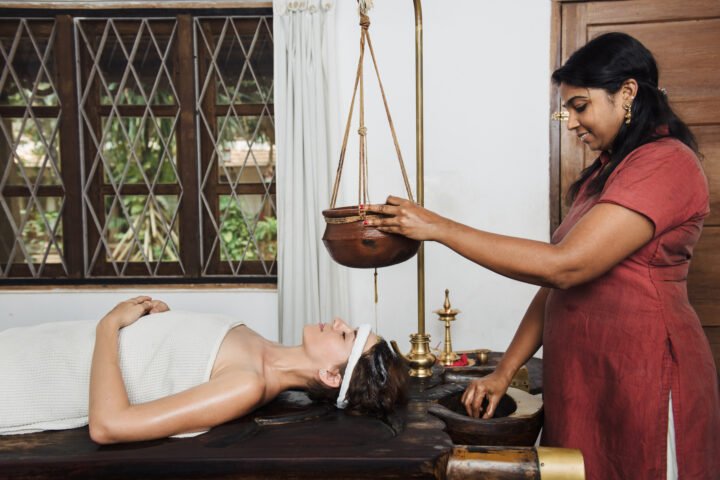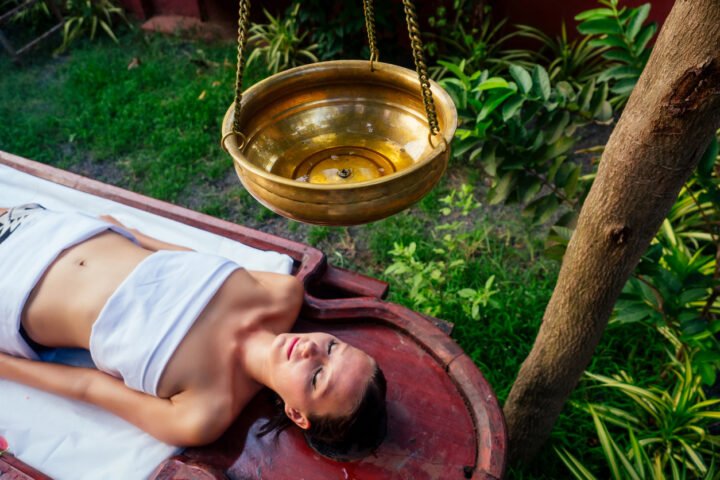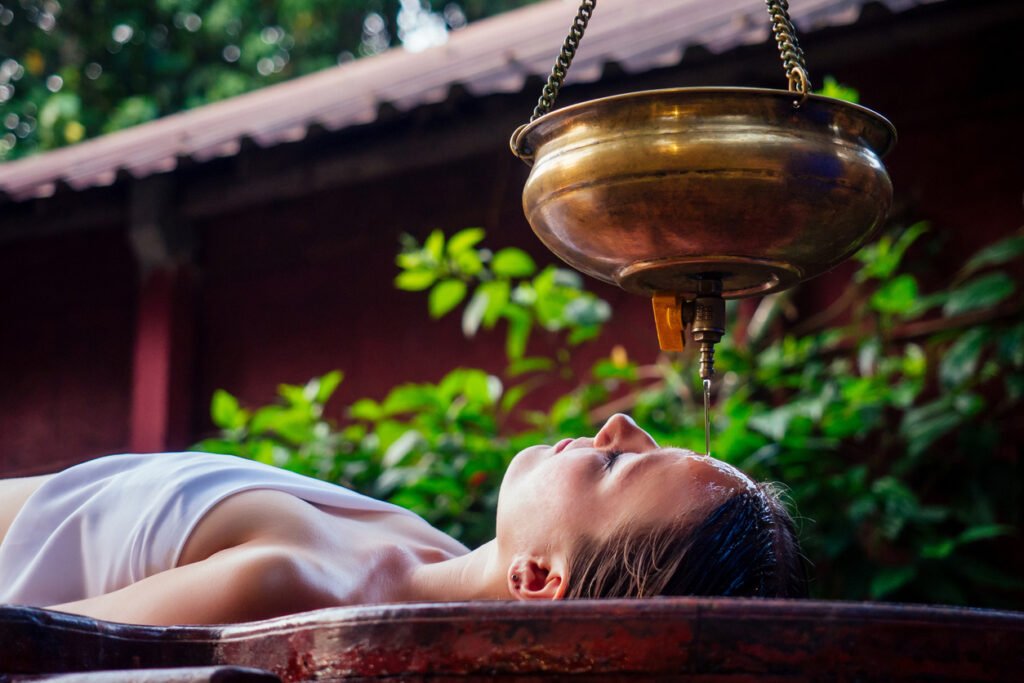
There’s a quiet wisdom in the way Kerala welcomes the monsoon. Kerala welcomes the rainy season with open arms. Karkidaka chikitsa has many advantages and has long been referred to for its properties in healing. This is due to two factors. It is cooler and the body can now hear what is happening to it, through its premiere use of oil and herbs.
This isn’t folklore dressed up as wellness marketing. Karkidakam falls between two harsh seasons; the punishing summer before and the demanding festivities after. This in-between period is, according to Ayurveda’s long-standing wisdom, the time when the body’s digestive fire (agni) has been subdued naturally and the environment is the most sattvic (pure, still and able to accept what is). This is why households in Kerala for generations have observed this as a month in which to take care of themselves. They use oil baths, herbal soup consumption, early bedtime and limited additional activity to achieve this.
The science behind karkidaka chikitsa
When you are hot and dry, the body is unable to pull away from the outside. Therefore it has very little capacity to utilize oils and herbs effectively. The cooler, wetter air of the rainy season opens up the pores and makes the tissue of the body more receptive to oils and herbs. This is because the body is more susceptible to inflammation when it is humid outside. The slower metabolism during this month also creates the perfect opportunity for deep tissue-based treatments to penetrate and take action at the cellular level. This is the biological reasoning Ayurveda arrived at centuries before anyone called it a “seasonal therapeutic window.”
Chikitsa at Itoozhi — Where Tradition meets Precision
At Itoozhi Ayurveda Hospital, Karkidaka chikitsa isn’t a seasonal gimmick — it’s a structured, physician-led intervention. Each treatment plan begins with a consultation to understand individual prakriti (body constitution) and current imbalances. This is because no two bodies need the same care, even in the same season.